
California’s SB 876 Starts a Five-Day Clock on Every Adjuster Reassignment. Can Your Claims Team Keep Up?
A new adjuster picks up a wildfire claim on a Monday morning. She has never seen the carrier’s policy forms. She doesn’t know the endorsement schedule. Under California Senate Bill 876 (SB 876), she now has five business days to deliver a detailed written status report to the policyholder, one that summarizes every disputed item, documents structural and contents losses, and cites the correct policy language. If that report arrives late or cites the wrong exclusion, the carrier faces a fine of up to $20,000.
That is not a hypothetical. It is the new operating reality for every property and casualty (P&C) insurer writing residential business in California should SB 876 pass.
The Wildfires That Rewrote the Rules
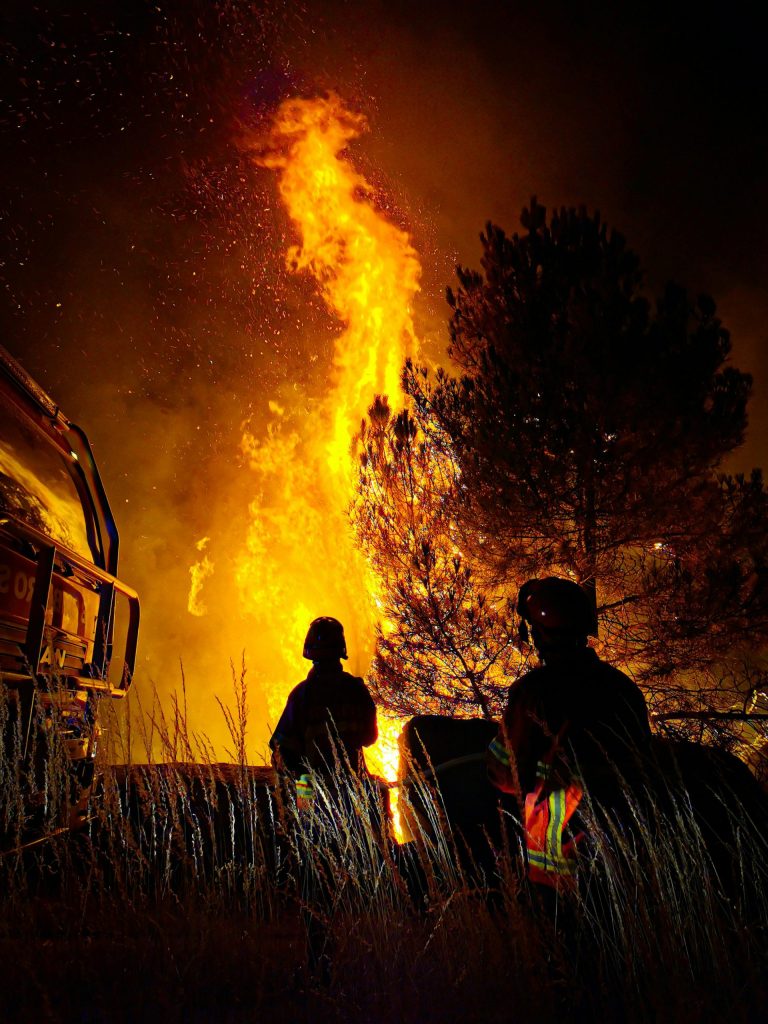
The January 2025 Los Angeles wildfires forced an industry reckoning. Seven in ten L.A. fire survivors had not returned home nearly a year later, citing insurance claim delays as a primary obstacle, according to a survey by the nonprofit Department of Angels. The California Department of Insurance (CDI) reported that insurers paid more than $22.4 billion on tens of thousands of claims from the L.A. wildfires.
Four in ten policyholders reported insurability problems such as massive premium increases and dropped coverage. Survivors described sudden adjuster reassignments with no explanation, opaque denial language, and weeks of silence between communications. The political fallout was swift.
In January 2026, Insurance Commissioner Ricardo Lara and Senate Insurance Committee Chair Steve Padilla introduced SB 876: the Disaster Recovery Reform Act. The bill aims to accelerate claims handling and expand coverage for California residents during declared natural disasters. It does this with specific, enforceable mandates and steep penalties for noncompliance.
What SB 876 Demands
The bill rewrites the carrier playbook for disaster claims in four ways that directly affect day-to-day claims operations.
Five-day written status reports on adjuster reassignment. If a new adjuster is assigned, the insurer must provide a written status report to the insured within five business days of the assignment. Under existing California Insurance Code, that report must detail losses to structures and contents, coverage amounts, any professionals retained, and every item in dispute. This is not a courtesy notification. It is a multi-page, legally binding document.
Doubled penalties during emergencies. SB 876 would double penalties during a declared emergency for violations of insurance fair claims practices and settlement law, and require insurance companies to pay restitution to policyholders when they violate the law. Existing law allows fines of up to $10,000 for willful violations. Under SB 876, that ceiling rises to $20,000 per occurrence — plus direct restitution to the affected policyholder.
Additional living expense (ALE) limits doubled. During a declared disaster, policy limits for ALE expand by 100%. Coverage extends an additional 15 days after a dwelling is deemed habitable. The scope of covered expenses broadens to include temporary housing, furniture rental, food, transportation, storage, and even pet boarding.
Accelerated payouts with interest penalties. For a total loss under an open policy, insurers must pay the actual cash value (ACV) within 30 calendar days. Undisputed replacement cost is due within 30 days of a rebuilding contract. Miss those deadlines and interest accrues automatically.
The bill also extends the statute of limitations on disaster-related claims from 12 months to 24 months — doubling the window in which carriers face plaintiff litigation over their handling practices.
The Operational Problem Hiding in Plain Sight
Here is where the math breaks. During a catastrophe (CAT) event, carriers deploy hundreds of temporary independent adjusters (IAs) to handle the surge. These adjusters are often unfamiliar with the carrier’s specific policy language, endorsement structures, and formatting guidelines. California’s emergency provisions allow non-licensed adjusters to handle claims during declared emergencies, provided they are registered within 15 days and supervised by a licensed entity.
Now stack SB 876 on top of that scenario. A temporary adjuster inherits a claim from a departing colleague. The five-day clock starts. The adjuster must produce a written status report that accurately references the policyholder’s specific 100-plus-page policy.
Detailed, complex communication and short, regulatory deadlines. What do they create? Pressure to move quickly and find shortcuts. Shortcuts in claims communications can contribute to “claims leakage.”
A miscited roof exclusion. A reference to an endorsement the policyholder never purchased. A water-damage clause from a 2023 form applied to a 2025 claim. Under the old regime, delays or errors triggered complaints or slower negotiation. Under SB 876, they may trigger $20,000 fines and restitution orders.
Plaintiff Attorneys Already Have the Tools to Find Your Mistakes
The errors in manually drafted claims letters are no longer a secret that stays inside the carrier. Plaintiff-side technology firms have built AI platforms that scan denial letters, reservations of rights (RoRs), and status reports line by line. These tools cross-reference cited policy language against the actual policy in force, flag missed endorsements, and identify vague or contradictory phrasing.
EvenUp, for example, uses AI to analyze records and generate demand packages calibrated to specific jurisdictions and carrier behavior patterns. Other tools like PainWorth model predicted settlement values based on venue, injury severity, and historical jury verdicts. When a plaintiff attorney’s AI detects a miscited policy section in your letter, it can trigger a polished demand or a formal CDI complaint within hours.
In courtrooms, the carrier’s own flawed letter becomes the plaintiff’s best exhibit. Under SB 876’s 24-month statute of limitations, that exposure persists twice as long as it used to.
What a Five-Day Clock Demands from Technology
Meeting SB 876 is not a hiring problem. You cannot recruit your way to compliance when temporary adjusters need weeks of familiarization before they can produce accurate correspondence on a carrier’s specific policy forms. The five-day status report requirement assumes a level of speed and precision that manual workflows were never designed to reach, especially during the exact moment when claim volumes spike and experienced staff are stretched thin.
This is the problem Voltaire was built to solve. Voltaire is AI that drafts accurate, compliant claims correspondence, including denial letters, RoRs, and the detailed status reports SB 876 now requires, in as little as 30 seconds. The system connects directly to the carrier’s claims management system (CMS), extracts the specific facts of the loss, and pulls the exact policy language applicable to the individual claim.
There is a critical guardrail: if an adjuster requests a denial letter and the underlying policy provides no clear basis, Voltaire does not fabricate one. The system returns a message: “No relevant policy language was found.” That refusal to guess is what separates purpose-built claims AI from a generic language model. It is also the feature that starves plaintiff AI tools of the citation errors they need to build a case.
One publicly-traded P&C carrier reported a 42% increase in adjuster job satisfaction and over 85% adoption of the tool. During CAT events, Voltaire eliminates the day-one learning curve for temporary adjusters. An IA unfamiliar with the carrier’s forms can produce a QA-passing letter on their first claim. Every document includes a transparent audit trail showing which policy sections informed each paragraph — shifting supervisor review from tedious line editing to substantive coverage analysis.
Voltaire integrates natively with Guidewire ClaimCenter through the Voltaire Accelerator for ClaimCenter, available on the Guidewire Marketplace. Adjusters generate letters without leaving their primary claims interface. No context switching. No duplicate data entry. No separate login.
The Cost of Waiting
SB 876 is not yet signed into law. The bill was introduced on January 6, 2026, and became eligible for committee hearings in February. But the compliance requirements it describes are already directionally clear. Other disaster-prone states are watching California’s approach. And the plaintiff-side AI tools scanning your letters today do not wait for legislation to punish sloppy correspondence.
For a mid-sized carrier processing 10,000 property claims per year, the economics of accurate correspondence are concrete. Senior adjusters using Voltaire save an average of two hours per day. That adds up to roughly one additional claim closed per adjuster per day. When you factor in avoided claims leakage and suppressed litigation costs, carriers report first-year returns that exceed 200%.
California just put a price tag on every late, inaccurate letter your team sends during a disaster. The five-day clock is ticking.
Yo Sub Kwon is the Founder and CEO of Voltaire, an AI-powered claims correspondence platform serving property and casualty insurers. Learn more at voltaire.claims. For more on state claims correspondence regulatory guidelines, see Voltaire’s post summarizing them across 50 states.