Week in Review — August 10–14, 2026
The AI distribution land grab. July’s pattern—carriers quoting inside the chat—has hardened into a scramble to own the pipes. EverQuote entered an exclusive partnership and took a minority stake in Waniwani, the year-old San Francisco startup building insurance distribution across ChatGPT, Claude and Gemini. The roughly 13-person company raised an $8 million seed round led by Seedcamp in June and already powers Tuio’s home insurance experience inside ChatGPT.
Root and The Zebra brought real-time Root quotes into The Zebra’s shopping flow, allowing agents to bridge over and bind coverage in as little as three minutes. Exzeo launched Exzeo Ventures to back AI-native underwriting, claims and distribution. Clearcover is building carrier-side AI through Dearborn Labs. And Cooper is hiring to sell an “AI coworker” to brokerages.
M&A. Accelerant is going private roughly a year after going public. Thoma Bravo agreed to acquire the risk-exchange platform for $20.25 per share in cash—a 49% premium to its August 12 closing price—giving the deal an enterprise value of more than $4 billion. The transaction is expected to close in the first half of 2027. Accelerant raised about $724 million at a $6.4 billion valuation in its IPO and reported second-quarter results alongside the announcement.
Elsewhere, a Delaware court ruled that Verisk’s termination of its $2.35 billion AccuLynx acquisition was invalid, reviving the roofing-software deal, which still requires FTC approval. WCF Insurance agreed to acquire Work First Casualty, a staffing-focused workers’ comp carrier founded in 2005 and licensed in all 50 states. Work First will retain its brand. The deal follows Sompo’s July acquisition of Service Insurance Companies. Amynta is acquiring agricultural commercial P&C MGU Southern States Underwriters, while Eldridge took a significant stake in agentic-AI developer Sudolabs.
Earnings. GEICO’s first-half underwriting profit dropped about 45% to $994 million, an $827 million decline. Its loss ratio increased 4.9 points to 75.3% on higher frequency and severity, while the expense ratio rose 2.7 points to 14% because of increased commissions and advertising. Net premiums written barely moved, rising 1.3%.
YuLife narrowed its net loss to £20 million from £25.4 million for the year ended June 2025, as revenue increased 40% to £13.9 million. SaaS contributed £3.8 million, while group-risk revenue remained flat at £7.2 million. The company reduced headcount by 18% to 171, and cash declined to £38.2 million from £59.4 million. Despite operating in four markets, less than 2% of revenue came from outside the UK.
Funding. Skan AI raised $63 million in a round co-led by Cathay Innovation and Dell Technologies Capital, with participation from Citi Ventures, Bloomberg Beta, State Farm Ventures and Wipro Ventures. The company offers a work-observation “context engine” that maps how organizations actually operate.
Insurance-verification startup Axle raised a $17.5 million Series A led by Base10 Partners. Founded in 2022, Axle says it serves more than 4,000 businesses—including Rocket Mortgage, Avis, Experian and Sonic Automotive—verifies over $100 billion in coverage annually and counts National General as a carrier-client.
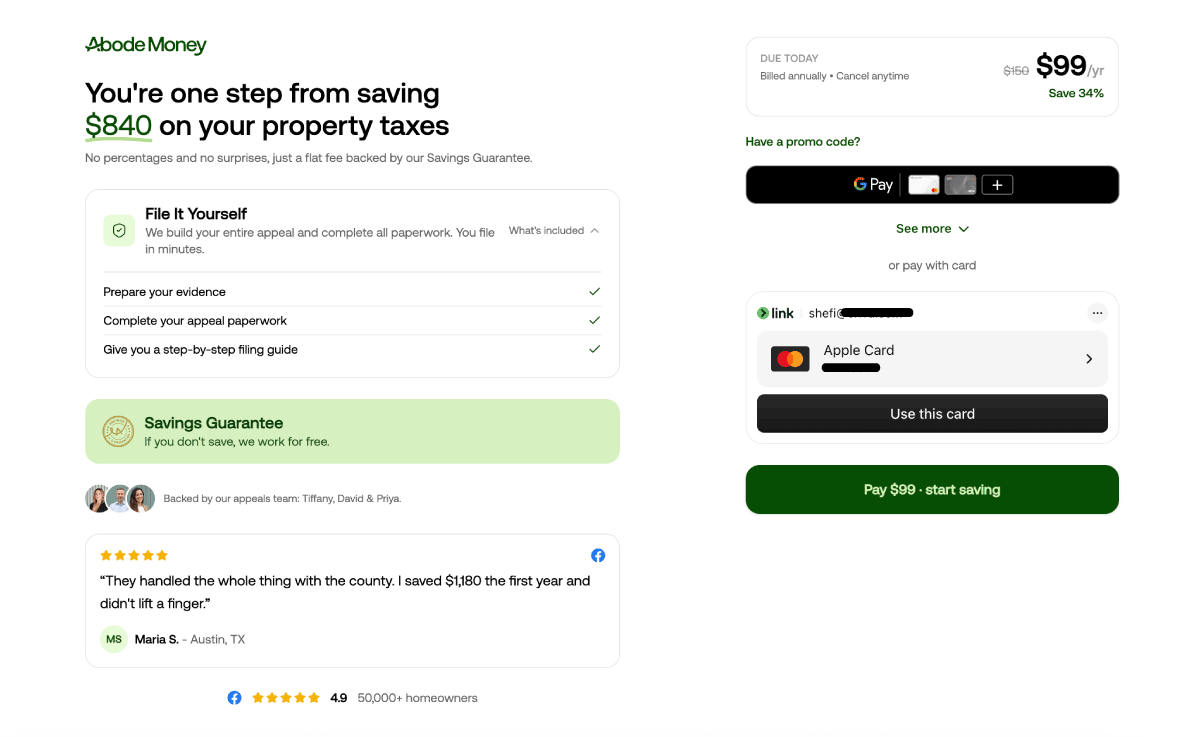
New players. The build-your-own-agency wave continues. Abode is hiring a general manager to build and own its insurance operation end to end, starting with access to more than 50,000 households and licensing underway in ten states. Jerry is expanding beyond auto ownership into the broader cost of homeownership, beginning with property-tax appeals in Florida.

Chase is hiring to build a digitally led P&C agency for its more than 7 million small-business clients. The planned offering includes general liability, BOP, commercial auto, cyber and workers’ comp, alongside a personal-lines carrier panel.
Throughline Risk Partners launched as a program administrator with American Hospitality+, offering property, general liability, liquor liability, and assault-and-battery coverage. Its CEO previously spent four years at Kin. CoverSavvy also entered the market with online term life, charitable permanent life and ShopBurial, a funeral-insurance marketplace.
Distribution. Coverdash embedded its business insurance flow into Housecall Pro, providing access to more than 200,000 home-service professionals. DogPack added Healthy Paws pet insurance to its app. Sky Protect added Allianz UK as the fourth carrier on its home insurance panel, joining Zurich, Ageas and AXA.
Volvo launched Safety Coach, a driving app powered by Cambridge Mobile Telematics, in Sweden and Norway. Users can share driving data with If’s Volvia insurance brand in exchange for potential discounts, with a US rollout planned.
Claims. Allstate opened a Dallas training campus for its 23,000 claims professionals, who handle roughly 8.5 million claims annually. The facility includes two full-scale damaged homes and a lab containing nearly 30 vehicles. Exzeo Ventures is targeting agentic catastrophe claims, while Adjusto launched AI-native contents-claims services.
Ford, still. Ford Pro Insure remains offline, but a spokesperson now says customer-facing web content should be available within 30 days. Until then, prospects are being directed to [email protected]. The commercial auto product was announced in 2022, initially powered by Pie and issued through Ford’s American Road carrier. That partnership ended late last year, and Lollipop is now backing the program. It may be time for a new case study.
Quick hits. Open Insurance rebranded as Theo—“one API, ten intelligent engines”—in a process apparently powered by Theo itself. EverPeak quietly moved away from everpeakinsurance.com. PEAK6 Insurtech settled the employment-discrimination lawsuit filed last September by former employee Heather Huffman.
Corgi is still promising to build a trucking carrier from zero to $1 billion in written premium this year—and still hasn’t fixed its website. RootRisk surfaced with field-level risk intelligence for regenerative agriculture. And Insureon’s more than 2 million policies have us wondering whether Hub International’s IPO ambitions are pulling it toward simpler, more transactional lines.