


Q&A with Brandon Ellison
Quility is on a mission to create digital platforms and products that make the life insurance process easy and rewarding for both agents and clients. We had the chance to ask Brandon Ellison (co-founder & CEO) a few questions.
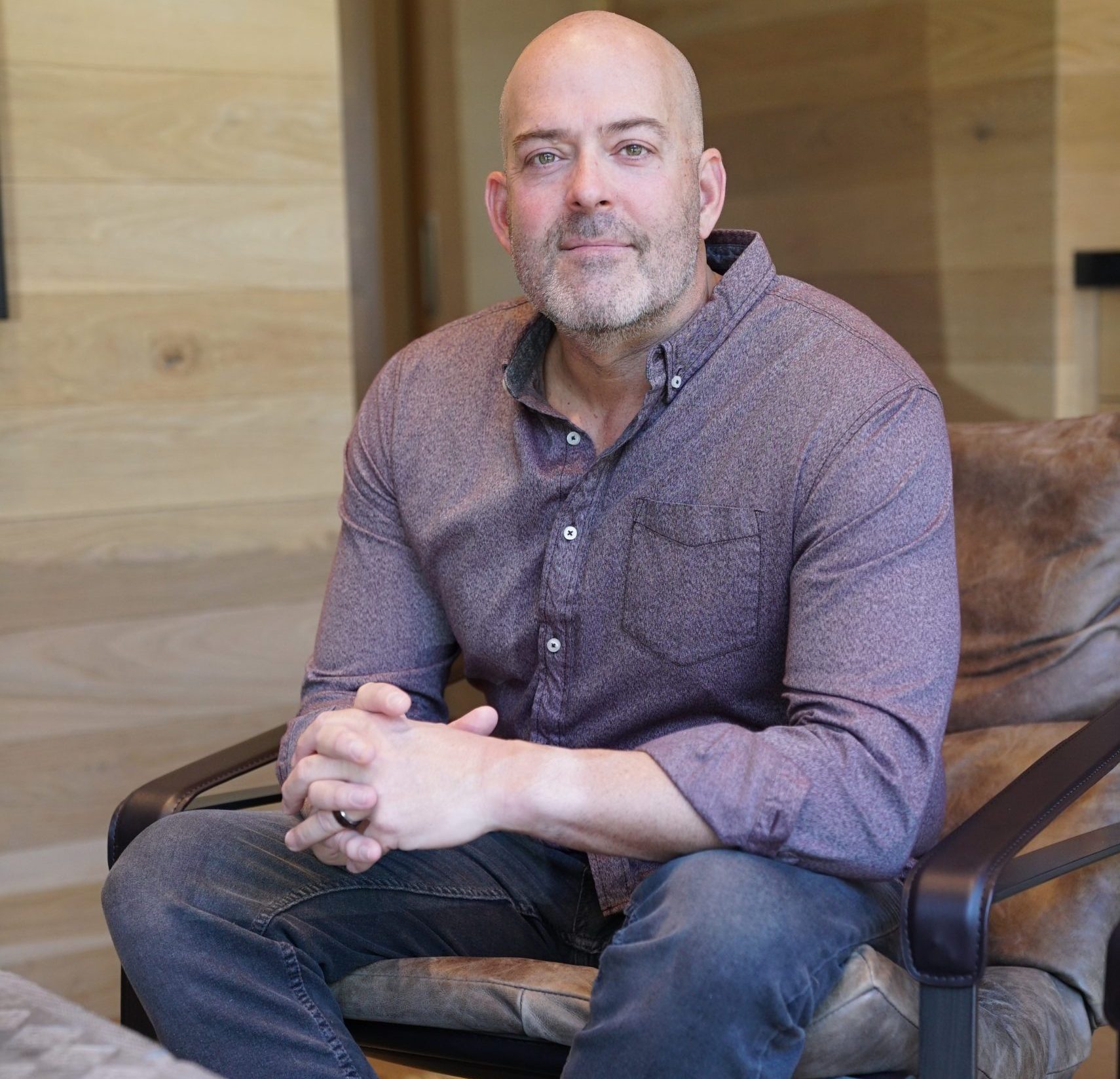
How did you get into insurance?
I fell into life insurance right after graduating with a degree in Accounting from the University of Alabama. I answered a newspaper ad, got an interview and was licensed by late 2001.
Before Quility, there’s Symmetry – tell us about the company.
I met Casey Watkins in 2002 while we were working for the same life insurance company. Over time, we saw what was going well in this industry, and we fully agreed on what needed improving. We became interested in how we could elevate the current business model and put the well-being, growth and financial success of agents at the forefront.
Fueled by that curiosity and plenty of excitement, Symmetry Financial Group (SFG) was founded in 2009 by me, my wife Meredith, Casey, and seasoned agent and business owner, Brian Pope. We launched as a mortgage protection company (during the height of the mortgage crisis) and have grown steadily ever since.
Tell us about Quility
Quility was formed as a response to the needs of life insurance agents and the industry at large. Today, the company functions as both an insurtech and a holding company for two thriving distribution channels – Symmetry Financial Group and Quility B2B. Our solutions – our digital platforms and products – serve independent and contracted life insurance agents as well as organizations looking to establish or enhance their life insurance offerings.
What’s the meaning behind the Quility name?
We made up the name “Quility,” feeling like it conveyed the tranquility we wanted our agents to feel when selling life insurance and our clients to feel when purchasing life insurance.
You said that entrepreneurs should dream big. What was your dream when you founded Quility?
Quility was born out of a desire to innovate. We knew this industry was ripe for a revolution, and we were well-positioned to be leaders in the effort. Our dream was, and still is, to create digital platforms and products that make the life insurance process easy and rewarding for both agents and clients. Life insurance is such a valuable tool for protecting and growing wealth, and we’ve always been driven to make that tool accessible to as many families as possible.
You started with distribution before tackling the technology aspect of life insurance. How did distribution impact the way you approached technology?
Years of distribution experience led us to design tech that is intuitive, fully integrated and easy to adopt. It inspired us to incorporate pilot groups into our go-to-market strategy and lean into data-driven insights for strong leads and valuable customer intelligence. Through personal experience with the industry’s pain points, we’ve been able to create targeted solutions that improve and simplify life insurance sales.
Several D2C life insurance startups looked to replace life insurance agents and they ended up embracing them. Do you think this is more of a distribution problem, or do consumers prefer to connect with agents?
The value we place on the agent cannot be overstated. The push towards full automation often breaks down because efficiency can only take you so far. Relationships are crucial to successful outcomes in this industry, and clients rely on their skills to understand policy nuances, customization and less known advantages like debt elimination, cash value growth and legacy planning benefits.
Lemonade, Root, and Hippo all went public with a P&C offering. Life insurance startups have raised significant amounts of VC money – why haven’t we seen a public life insurance startup yet?
P&C products like auto and renters insurance are more transactional by nature. They’re easier to quote, bind and manage digitally. Furthermore, these types of offerings are set up for relatively short policy cycles, fast underwriting and data that can be made readily available to investors – making them a natural fit for VC-backed, app-first platforms like Lemonade, Root and Hippo.
But life insurance is fundamentally different. It’s emotional, complex and deeply personal. People want guidance when they’re making decisions about how to protect their family, prepare for retirement or leave a legacy. They often don’t just want a quote; they want someone to ask the right questions, explain the options and walk them through the process.
What we’re seeing now is a new generation of platforms and carriers that are tech-powered but agent-led — and that’s a winning formula. As these hybrid models mature and demonstrate sustainable growth, profitability, and distribution strength, I absolutely believe we’ll see public life insurance startups. It’s not a matter of if, it’s a matter of when.
Costco sells more pet insurance policies than life insurance policies – what does that tell you about the state of life insurance?
It highlights just how much opportunity there still is in the life insurance space.
The fact that Costco sells more pet insurance than life insurance doesn’t mean people don’t care about protecting their families; it means the industry still has work to do in terms of meeting customers where they are and simplifying how protection is delivered.
Pet insurance has grown quickly because it’s easy to understand, emotional and frictionless to buy. That success shows consumers are willing to engage with insurance products, especially when presented clearly and by a source they trust.
Life insurance is following the same path, but as a more complex product that is still evolving from decades of legacy systems and distribution.
The good news is that we’re witnessing major progress. Digital platforms, smarter underwriting, and new hybrid distribution models are making life insurance more accessible, more personalized and more relevant than ever before. As more companies focus on transparency, ease of purchase, and ongoing engagement (not just the sale), we’ll see life insurance step into a more central role in people’s lives.
So rather than seeing it as a negative comparison, I see it as a signpost. Consumers are open. The appetite for protection is there. It’s on us – industry leaders – to keep innovating, modernizing, and building the kind of trust that earns a place in every family’s financial plan.
Just a few years ago insurance companies were experimenting with chatbots and now we have OpenAI and Anthropic. How do you see this AI leap impact life insurance?
Life insurance is still, at its core, a relationship business. People don’t just buy policies, rather they seek reassurance, clarity and trust. AI can’t replicate the empathy and guidance of a good agent. What it can do is enhance how agents serve their clients – faster quotes, personalized insights, better follow-up and streamlined workflows.
Instead of spending hours on paperwork or chasing down underwriting requirements, agents can focus on what really matters: listening, educating and building long-term relationships. AI becomes support – handling the repetitive, the technical and the time-consuming, while agents have the bandwidth to stay engaged with their clients.
For carriers and platforms, this AI leap also means better data, smarter products and more tailored experiences. Policies can be better aligned with needs, engagement can be more proactive, and clients can feel more in control of their coverage.
In short, AI isn’t here to replace life insurance agents; it’s here to amplify their impact. The ones who embrace it will be able to serve more families, with greater precision, and ultimately build stronger, more human connections.
What advice would you give your kids if they considered an insurance career?
I’d tell my kids that a career in life insurance today is one of the most underrated (and exciting) paths they could take.
Why? Because we’re standing at the intersection of human connection and technological revolution. The fundamentals of this business haven’t changed: people still want to protect their families, build wealth, and leave a legacy. But how we do that is changing fast and those who can blend empathy with technology are going to thrive.
AI, automation, and data are removing the tedious parts of the job — quoting, underwriting, etc. — and giving agents more time to do what they do best: connect, educate and advise. The next generation of life insurance professionals won’t be cold calling with a yellow pad; they’ll be using powerful tools to build relationships at scale, tailor solutions in real time and grow their business with far less friction.
And the income potential? Still incredible. But now it comes with more leverage, more flexibility and more scalability than ever before. Add to that the impact — helping families avoid financial catastrophe, eliminate debt, minimize taxes or build a generational legacy — and it’s not just a job; it’s a mission with unlimited upside.
So yes, I’d be thrilled if my kids chose a career in life insurance, and I’m pretty confident they will, based on what they’re telling me. They’ve certainly had a front row view of how this industry can make such a tremendous, positive impact on people.
The next wave of agents will be tech-enabled, client-first and unstoppable. It’s a future built for those who want to lead with both heart and intelligence — and that’s exactly the kind of opportunity I want for them.
If you solved the life insurance problem, what would you do next?
I don’t believe the life insurance “problem” is something you ever fully solve — and that’s a good thing. This industry is about people, and people’s lives are always changing. The real goal isn’t perfection; it’s constant progress.
If we can keep improving how families access protection, how agents build careers, and how trust is earned at scale, then we’re doing something meaningful. There will always be new challenges — whether it’s technology, regulations, or shifting consumer behavior — but that also means there will always be new opportunities to make improvements.
So rather than seeing an endpoint, I see a mission: keep moving forward, keep evolving, and keep lifting clients and agents in the process. That’s the kind of problem I’d gladly spend a lifetime working on.
What do you hope readers take from this interview?
I hope readers come away with a fresh perspective on life insurance — that it’s not just a policy to purchase, but a powerful tool for protecting families and building financial security.
I want them to see the incredible opportunity this industry holds, not just for consumers who need better, more accessible coverage but for agents and innovators who are modernizing the way we deliver protection.
This isn’t a static, old-fashioned business anymore. It’s evolving rapidly with new technology, smarter underwriting and more customer-first approaches. At its heart, life insurance remains about people and relationships. The human element is more important than ever.
Ultimately, I want readers to feel optimistic about the future of life insurance. I want them to understand that it’s becoming more relevant, more accessible and more impactful for the families and communities it serves. Quility is proud to be at the forefront of this positive transformation, empowering agents with innovative technology and putting families first every step of the way.