

Agentic AI Is Coming to Insurance. Enterprise Governance Software Will Determine the Winners.
Agentic AI is moving from experimentation into execution across the insurance sector. Intelligent agents, once limited to labs or innovation teams, are now beginning to take part in real underwriting workflows, claims processing, regulatory compliance, procurement, and policy servicing. These systems are not just suggesting next steps. They are initiating them.
In many organizations, agentic AI can already approve low risk claims, initiate vendor disbursements, escalate policy exceptions, and manage contract approvals based on internal guidelines. These are not future possibilities. They are today’s reality in pilot and early-stage deployments.
For insurance leaders, this evolution creates a fundamental governance challenge. Autonomy without clear authority becomes a risk, not an asset.
From Digital Assistants to Autonomous Actors
Early AI implementations in insurance served as assistive tools, analyzing policy data, flagging anomalies, or producing draft recommendations. The next phase brings autonomous execution. Agentic AI systems will soon approve transactions, authorize renewals, submit instructions to third parties, and trigger compliance workflows based on enterprise policy and real time data.
In claims, AI agents may verify policy limits and authorize payouts. In underwriting, they could finalize low risk policies within set parameters. In compliance, agents may pre-screen partners, monitor obligations, and flag regulatory changes.
All of this is technically possible today. What holds it back is not capability. It is governance infrastructure.
Insurance Runs on Trust. Agentic AI Cannot Be a Black Box
Most insurers today manage approval rights with spreadsheets, legacy ERP roles, or shared folders. These tools were built to handle human decision makers, not digital ones. When an AI agent makes a decision, such as approving a claim, instructing a disbursement, or signing off on a policy endorsement, the essential question becomes: who gave it that power?
That question is not theoretical. Regulators and auditors will want the answer. So will customers if something goes wrong.
Without clear records of what agentic systems are allowed to do, under what conditions, and with what escalation paths, firms expose themselves to operational risk and regulatory scrutiny.
Why Insurance Needs an Authority System of Record
To safely scale agentic AI, insurers need systems that provide clear and auditable delegation frameworks. This means defining decision rights not only for people but also for AI systems, assigning limits, setting expiration and escalation rules, and recording every action in a way that supports regulatory review.
These systems must update automatically when roles or policies change. They must allow underwriters, claims managers, and risk officers to configure delegation policies without requiring engineers to rewrite workflows.
In short, authority must become an enterprise asset that is programmable, trackable, and provable.
Treat Digital Agents Like Coworkers With Guardrails
Agentic AI should be treated like a member of the team, subject to the same controls and accountability. That means giving these agents scoped authority based on policy, automatically revoking access when roles change, and logging every action with precise context.
It also means including AI agents in the same governance systems that manage signatory rights and approvals for employees and contractors. Without this parity, insurers risk building a shadow decision layer that cannot be audited or defended.
This approach is not only safer. It is more scalable.
Governance as a Strategic Advantage
The insurers that lead in the age of autonomy will not be those who automate the fastest. They will be those who govern the best. Structured delegation, policy-based authority, and full auditability will become core enablers of responsible innovation.
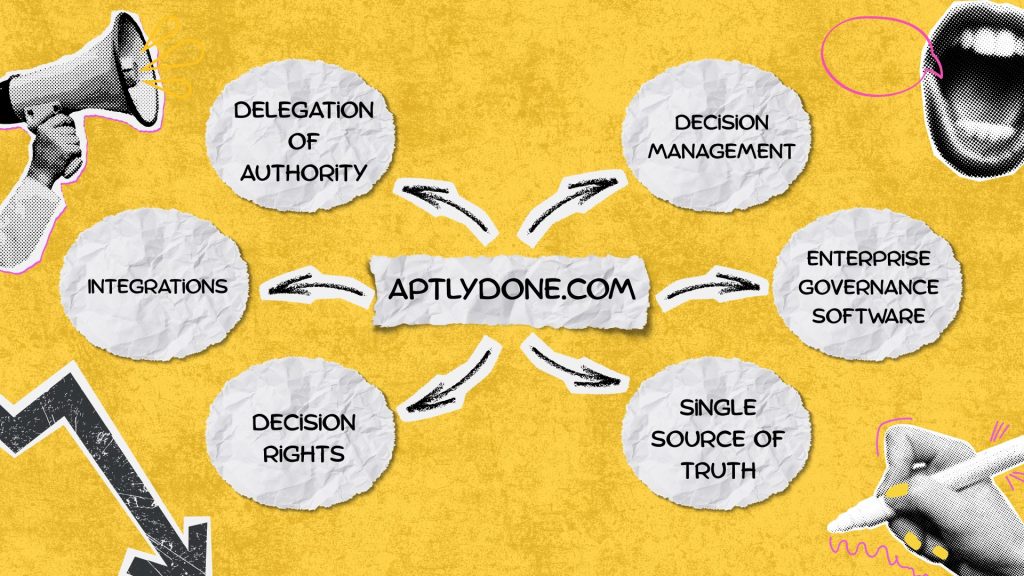
Enterprise governance platforms provide this foundation. They give organizations a single source of truth for what every actor, human or digital, is allowed to do and under what conditions. With the right controls in place, insurers can move faster without losing accountability.
The future of insurance will be powered by agentic AI. But trust will remain the ultimate currency. And trust begins with governance.
About AptlyDone
AptlyDone is the enterprise system of record for delegation, signatory, and authority governance. It enables insurance organizations to manage human and agentic approvals with full auditability, policy alignment, and enterprise integrations. Aptly is available in the Microsoft Marketplace and trusted by companies navigating AI adoption, SOX compliance, and global regulatory requirements.
For more, visit www.aptlydone.com